
The Key Metrics: Click-Through Rate, Conversion Rate, and Cost Per Click
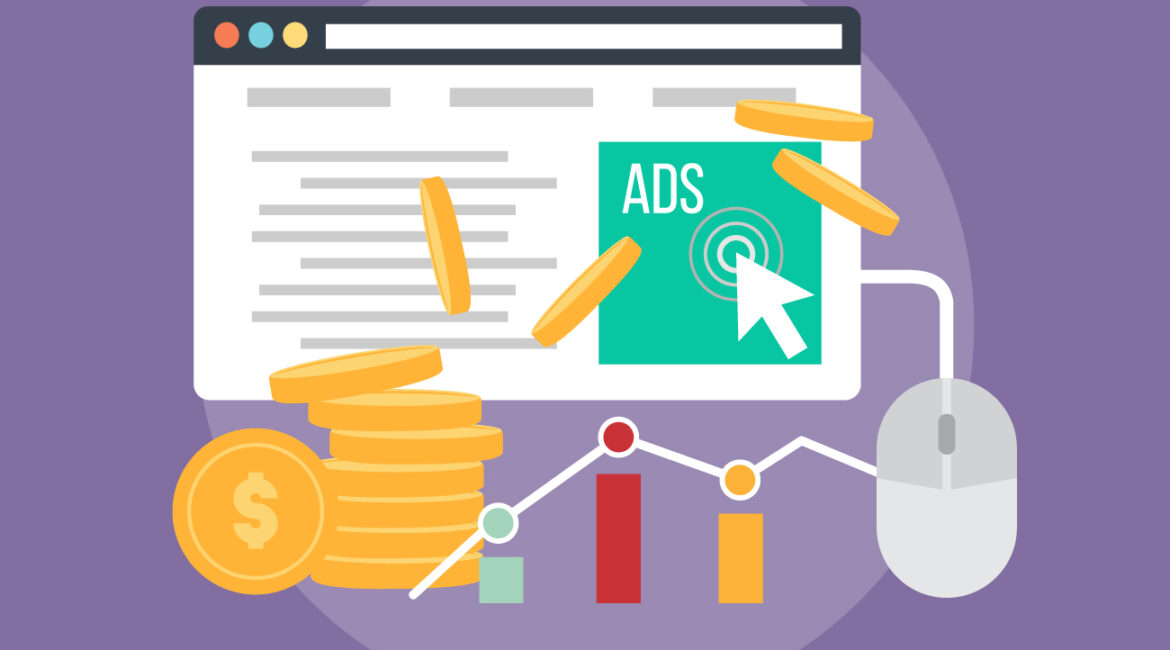
To effectively analyze Google PPC performance, you must understand three key metrics: Click-Through Rate (CTR), Conversion Rate, and Cost Per Click (CPC).
CTR shows the percentage of viewers who clicked your ad. It’s calculated with this formula: (Clicks / Impressions) x 100. A higher CTR implies a more compelling ad that captures user interest.
Conversion Rate measures the percentage of ad clicks that led to a desired action, such as a purchase. You calculate it as (Conversions / Clicks) x 100. This metric is vital as it directly affects your revenue.
CPC indicates the amount spent per click on your ad. Knowing this helps you manage your budget and optimize spending. The lower the CPC, the more efficient your ad spend.
Consider these factors when evaluating your PPC metrics:
- CTR reflects ad effectiveness.
- Conversion Rate highlights the success of post-click activity.
- CPC impacts overall budget efficiency.
Understanding these metrics helps you gauge campaign performance. Each plays a unique role in maximizing your Google Ads ROI.
Balancing these metrics allows for informed decision-making. It empowers you to allocate budgets smartly while driving desired outcomes.
By understanding these basics, you set the foundation for a successful Google Ads strategy. This insight will guide you in making informed decisions and potentially boosting your business results.
Setting and Aligning Marketing Goals for PPC Success
Establishing clear marketing goals is critical to achieving PPC success. Goals direct your campaign strategy and define metrics for success. Without clear objectives, it’s challenging to measure performance effectively.
Begin by determining what you hope to achieve through PPC. Common objectives include increasing brand awareness, driving sales, or generating leads. Each goal requires a tailored approach to targeting and budgeting.
Key Steps to Setting Effective PPC Goals:
- Define specific and measurable objectives.
- Align PPC campaigns with overall business goals.
- Regularly revisit and adjust goals based on performance data.
Ensure that your PPC targets complement your business strategies. This alignment is essential for coherent marketing efforts. For instance, if expanding market reach is crucial, focus on widening your audience base through PPC.
Adjust your goals as necessary. The digital landscape constantly evolves, necessitating flexible strategies. Evaluate performance metrics frequently to stay on track.
Finally, communicate your goals clearly within your team. Collaboration and mutual understanding will enhance the campaign’s overall effectiveness. This shared vision keeps everyone aligned toward common objectives.
How SEO Exchange (Houston, Texas) Helps Clients Hit Their Marketing Goals
SEO Exchange, based in Houston, Texas, specializes in improving marketing outcomes. They provide tailored strategies for Google Pay-Per-Click (PPC) campaigns. Their expertise helps businesses achieve their marketing goals more effectively.
What distinguishes SEO Exchange is their customized approach. They assess each client’s unique needs before crafting a strategy. This ensures that campaigns are aligned with the client’s specific objectives.
Key Services Offered by SEO Exchange:
- Comprehensive keyword research and analysis.
- Strategic ad placement and bidding management.
- Continuous performance monitoring and optimization.
- Conversion tracking and ROI analysis.
SEO Exchange excels in keyword research, a critical component of PPC success. By identifying high-performance keywords, they enhance ad visibility. This leads to improved click-through rates and conversions.
Another strength is their focus on conversion tracking. They measure performance by analyzing data and adjusting strategies. This data-driven approach maximizes returns on advertising spend.

by Vitaly Gariev (https://unsplash.com/@silverkblack)
Moreover, SEO Exchange emphasizes communication. They maintain an open dialogue with clients, ensuring alignment. This transparency fosters collaboration and trust, which are essential for success.
Their approach is holistic. Beyond PPC, they integrate other digital marketing channels. This enhances overall effectiveness and helps clients meet broader marketing objectives.
SEO Exchange has a proven track record. Many businesses have achieved significant growth under their guidance. Their expertise in digital marketing continues to drive success for clients across diverse industries.
Optimizing Your Google Ads ROI: Strategies and Best Practices
Maximizing your Google Ads ROI requires a strategic approach. By implementing best practices, you can significantly enhance performance. Here are some effective strategies to consider.
Begin with comprehensive keyword research. Selecting the right keywords increases ad relevance. It helps attract the right audience and improves click-through rates.
Essential Strategies for Google Ads Success:
- Keyword Research and Selection: Use tools to identify high-performing keywords.
- Ad Relevance: Create ads aligned with user intent.
- Effective Bidding: Optimize bids to get the best ad placements.
Crafting engaging ad copy is crucial. Your ad should be compelling enough to grab attention. Use clear and concise language to convey your message.
Utilizing ad extensions can also boost performance. They provide additional information and increase clickability. Extensions can include call buttons, location information, or site links.
A/B testing is another valuable tactic. By experimenting with different ad variations, you can identify what resonates best. Adjust strategies based on insights gained from testing.
by Arkan Perdana (https://unsplash.com/@arkanperdana)
Track conversions and continuously monitor performance. Use Google Analytics and other tools to gather insights. These insights guide strategic adjustments for ongoing campaign optimization.
Consider implementing a remarketing strategy. Target visitors who have previously interacted with your site. This can improve conversion rates as it reaches an already interested audience.
Best Practices for Optimizing ROI:
- Regular Performance Monitoring: Adjust campaigns based on data analysis.
- Remarketing Efforts: Re-engage potential customers who have shown interest.
- Mobile Optimization: Ensure ads are optimized for mobile users.
Finally, never underestimate the power of mobile optimization. With increasing mobile usage, ensuring that your ads are mobile-friendly is essential. Properly formatted ads can lead to higher engagement and conversion rates across devices.
Advanced Tactics: A/B Testing, Negative Keywords, and Automated Bidding
Elevate your Google Ads ROI by embracing advanced tactics. These strategies can refine campaigns for optimal efficiency and cost management.
A/B testing remains a cornerstone of effective advertising. It involves creating multiple ad versions to see which performs best. Experiment with different headlines, copy, and images.
Automated bidding offers a time-saving solution. Google adjusts bids based on real-time data to optimize ad placement. This ensures you reach your targets without manual intervention.
Negative keywords play a crucial role in budget optimization. By excluding irrelevant terms, you focus on attracting the right audience. This increases your ad relevance and click-through rates.
Key Benefits of Advanced Tactics:
- A/B Testing: Allows for data-driven decisions.
- Automated Bidding: Streamlines bid management.
- Negative Keywords: Optimizes ad spend efficiency.
Monitor campaign results closely when employing these tactics. Gather insights from each A/B test to continuously refine your approach. Automation doesn’t mean neglect-ongoing evaluation is vital.
Consider the competitive landscape in automated strategies. Understand how competitors affect your bidding and keyword choices. This knowledge can inform adjustments to maintain an edge.
Incorporate insights from customer feedback. Use this information to refine not just ads, but overall strategies. Feedback can highlight areas for improvement and innovation.
Finally, keep abreast of industry trends to align your efforts with changing dynamics. Staying informed ensures your strategies remain competitive and effective.
Integrating PPC with SEO for Maximum ROI
Combining PPC and SEO can lead to substantial ROI enhancements. Both strategies have unique strengths that, when combined, offer comprehensive marketing coverage.
SEO focuses on organic visibility. It’s about building a sustainable online presence through content and technical optimization. Over time, this reduces the need for high ad spend.
PPC provides immediate visibility. It allows you to appear at the top of search results quickly. This immediacy complements the long-term gains from SEO.
Benefits of Integrating PPC and SEO:
- Enhanced Visibility: Occupy more search engine real estate.
- Consistent Traffic: Balance fast PPC results with SEO sustainability.
- Improved Keyword Strategy: Use PPC data to refine SEO efforts.
Sharing data between PPC and SEO improves keyword strategies. Insights from PPC campaigns can inform SEO tactics for better alignment.
Coordinated messaging across PPC and SEO ensures brand consistency. This unified approach enhances user experience and strengthens brand trust.
Regularly assess the balance between PPC and SEO spend. Adjust based on seasonality, market conditions, and business goals. This ensures that your marketing strategy remains agile and effective.
Common Pitfalls in PPC ROI Analysis (and How to Avoid Them)
Analyzing PPC ROI can be tricky without careful attention to detail. Many advertisers inadvertently fall into common traps, which can skew their ROI results.
One frequent mistake is ignoring the impact of low-quality ad copy. Ads with poor wording often lead to low click-through rates (CTR). Consequently, advertisers might see a dip in ROI, misinterpreting the cause.
Failure to track the right conversions can also mislead analysis. Not all actions are equal-ensure to distinguish between valuable actions and others with minimal impact.
Overspending on irrelevant keywords is another common pitfall. This results in wasted ad spend without yielding significant conversions. To avoid this, focus on high-intent keywords.
Here’s a concise list of key pitfalls to avoid:
- Overreliance on vanity metrics
- Neglecting ongoing campaign adjustments
- Misunderstanding customer lifetime value
By being aware of these pitfalls and proactively addressing them, businesses can achieve more accurate and actionable insights from their PPC campaigns. Regular audits and deliberate analysis can safeguard your ROI, ensuring it truly reflects campaign success.
Measuring, Monitoring, and Reporting: Tools and Techniques
Accurate measurement is crucial for assessing PPC campaign success. It enables informed decision-making and strategy adjustments. To start, use Google Analytics. This tool provides insights into traffic sources and user behavior.
Monitoring tools like Google Ads Dashboard offer real-time data. They help track key performance metrics, such as click-through rates and cost per click.
Regular reporting is equally important. It keeps stakeholders informed of progress and highlights areas needing improvement. Use performance reports to analyze trends over time.
Incorporate these tools and techniques for effective PPC management:
- Google Analytics
- Google Ads Dashboard
- Customized Performance Reports
Visual aids like dashboards make complex data understandable. They present information in a format that is easy to digest.
By integrating these tools and techniques, businesses can ensure their PPC campaigns are both effective and efficient. Regular evaluation empowers teams to adapt swiftly, maximizing their return on investment.
Frequently Asked Questions About Google Ads ROI
When aiming to understand Google Ads ROI, common questions arise. One frequent question is about baseline ROI expectations for campaigns. There is no fixed rule, as ROI varies by industry and strategy.
Another typical query concerns factors influencing ROI. Key elements include ad quality, targeting precision, and budget allocation. Each plays a role in final outcomes.
Marketers often ask how long it takes to see ROI results. Generally, it’s good to allow a few months for meaningful data and pattern recognition.
Here are common questions you may have:
- What is a good ROI for Google Ads?
- What factors impact Google Ads ROI?
- How long before I see ROI results?
Using reliable data ensures accurate answers to these critical questions. Clarifying these points aids in strategic adjustments, promoting campaign success.
Conclusion: Take Control of Your PPC Performance
Google PPC offers immense potential when handled properly. Understanding the math behind ROI is crucial for maximizing returns on your advertising investment. Analyzing click-through rates, managing costs, and aligning goals can significantly enhance performance.
To succeed, never overlook the importance of continuous monitoring. Regular assessments allow for timely adjustments, ultimately boosting your campaign effectiveness. SEO Exchange, based in Houston, provides expertise to guide you in reaching marketing objectives efficiently.
Remember, integrating PPC with broader marketing efforts amplifies results. Apply best practices, use data-driven strategies, and remain adaptable to changes. This method ensures sustained success in your digital marketing endeavors.
