

In today’s digital age, businesses are constantly seeking innovative ways to engage customers. One such method is the use of 360 virtual tours. These tours offer an immersive experience that static images simply cannot match.
Virtual reality tours allow potential customers to explore a business or property from anywhere. This accessibility can significantly enhance customer engagement.
Virtual business tours are not just a trend; they are a powerful tool for boosting sales. They provide a unique and interactive experience that can set a business apart.
Virtual tour solutions are versatile and can be integrated into various marketing strategies. They can be accessed on multiple devices, making them convenient for users.
Businesses across industries are adopting virtual tours to enhance their offerings. From real estate to hospitality, the benefits are clear.
These tours can lead to higher conversion rates by building trust and transparency. They allow customers to make informed decisions with detailed views.
As technology evolves, virtual tours continue to offer new features and capabilities. This makes them an essential part of modern business strategies.
In this article, we will explore why 360 virtual tours are good for businesses and how they can boost sales.
What Are 360 Virtual Tours? An Overview
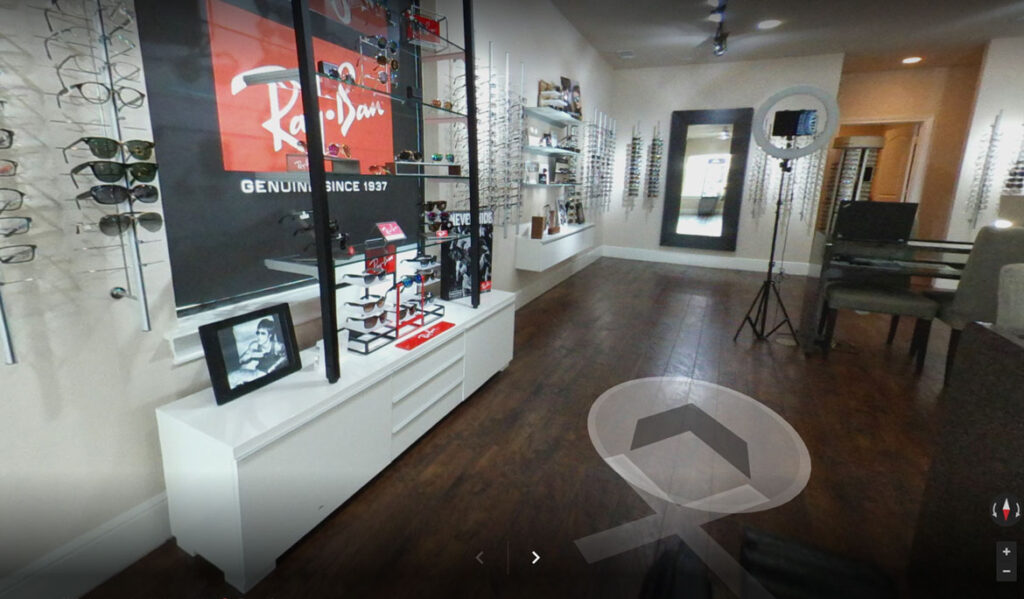
360 virtual tours are digital simulations of locations that allow viewers to navigate through spaces as if they were physically present. This technology stitches together a series of panoramic images to create a seamless, interactive experience.
These tours are different from traditional photos or videos, as they offer a complete view of an area. Users can look around in all directions, providing a thorough exploration opportunity.
Key features of 360 virtual tours include:
- Interactive navigation
- High-resolution imagery
- Integrated multimedia elements like audio or text
Businesses use these tours to showcase properties, facilities, or products in a realistic setting. They help prospective customers visualize and understand offerings without having to visit in person.
The Rise of Virtual Reality Tours in Business
Virtual reality tours have become increasingly popular in recent years. Businesses across various sectors are leveraging this technology to attract and retain customers. The immersive nature of these tours captivates audiences, providing experiences that static images cannot match.
Several factors contribute to the rise of virtual tours, such as:
- Increasing access to high-speed internet
- Advanced VR technologies becoming more affordable
- A growing demand for interactive digital content
These drivers have made virtual tours a staple in marketing strategies. Companies find that showcasing their offerings through virtual experiences creates a memorable impression. It also differentiates them from competitors.
Key Benefits of 360 Virtual Tours for Businesses
360 virtual tours offer numerous advantages for businesses aiming to enhance their digital presence. These benefits translate directly to improved customer interactions and increased sales opportunities. By harnessing the power of virtual tours, companies can create a competitive edge in their market.
One major advantage is the immersive experience these tours provide. Customers can explore offerings in a way that feels personal and engaging. This interaction often results in higher satisfaction and brand loyalty.
Additionally, virtual business tours can increase accessibility. Customers can view products or properties at any time, from anywhere. This flexibility eliminates geographic and time constraints, broadening the potential customer base.
Key benefits include:
- Improved customer engagement
- Greater accessibility
- Enhanced brand differentiation
- Cost savings on physical showcases
- Increased transparency
By integrating virtual tours, businesses also align with modern consumer preferences for digital interactivity. It fosters a connection that traditional marketing methods often lack.
Enhanced Customer Engagement and Experience
Virtual tours are a powerful tool for enhancing customer engagement. They allow users to interact with spaces or products dynamically. This creates an experience that is both memorable and influential.
These tours give customers control over their exploration. They can zoom, rotate, and select areas of interest, tailoring the experience to their needs. This personalization is appreciated and valued.
The engaging nature of 360 tours can lead to longer visits on websites. Customers are more likely to revisit and recommend such interactive experiences. This increased engagement can drive further interest and sales.
Benefits of enhanced engagement include:
- Personalized user interactions
- Longer website visits
- Improved customer satisfaction
- Increased word-of-mouth marketing

Building Trust and Transparency
360 virtual tours build trust by offering transparency. Customers can see what they are purchasing or experiencing firsthand. This openness reduces uncertainty and boosts confidence in buying decisions.
When customers explore products in detail, it clarifies their expectations. They know what to expect, which minimizes surprises. This transparency fosters trust and builds brand loyalty over time.
With honest representation, businesses are viewed as credible and trustworthy. This can result in more referrals and repeat business.
Key trust-building benefits include:
- Enhanced customer confidence
- Reduced purchase anxiety
- Stronger brand reputation
Higher Conversion Rates and Sales
Virtual reality tours can significantly increase conversion rates. They provide a comprehensive view, helping customers make informed decisions quickly. The immersive detail can often seal the deal.
These tours reduce hesitation by answering questions visually. Customers can see the features and benefits firsthand, which drives sales. The decision-making process becomes smoother and more direct.
In addition, virtual tours can highlight selling points effectively. Businesses can guide viewers to focal points, emphasizing value and features.
Key conversion benefits are:
- Faster decision-making
- Visual answers to common queries
- Effective highlight of selling points
How Virtual Business Tours Improve Digital Marketing
Virtual business tours significantly enhance digital marketing strategies by providing engaging content that draws customers in. This type of media captures attention more effectively than static images or text.
When integrated into marketing campaigns, virtual tours increase the quality and quantity of user interactions. The immersive nature encourages sharing and word-of-mouth promotion. These dynamics amplify brand visibility and engagement.
Moreover, virtual tours provide detailed analytics about user behavior. Businesses gain insights into customer preferences and interests, allowing for tailored marketing efforts. Tracking these interactions helps refine strategies for better results.
Key digital marketing improvements include:
- Enhanced user engagement
- Increased social sharing
- Detailed customer insights
- Refined marketing strategies
SEO Advantages of Virtual Tour Solutions
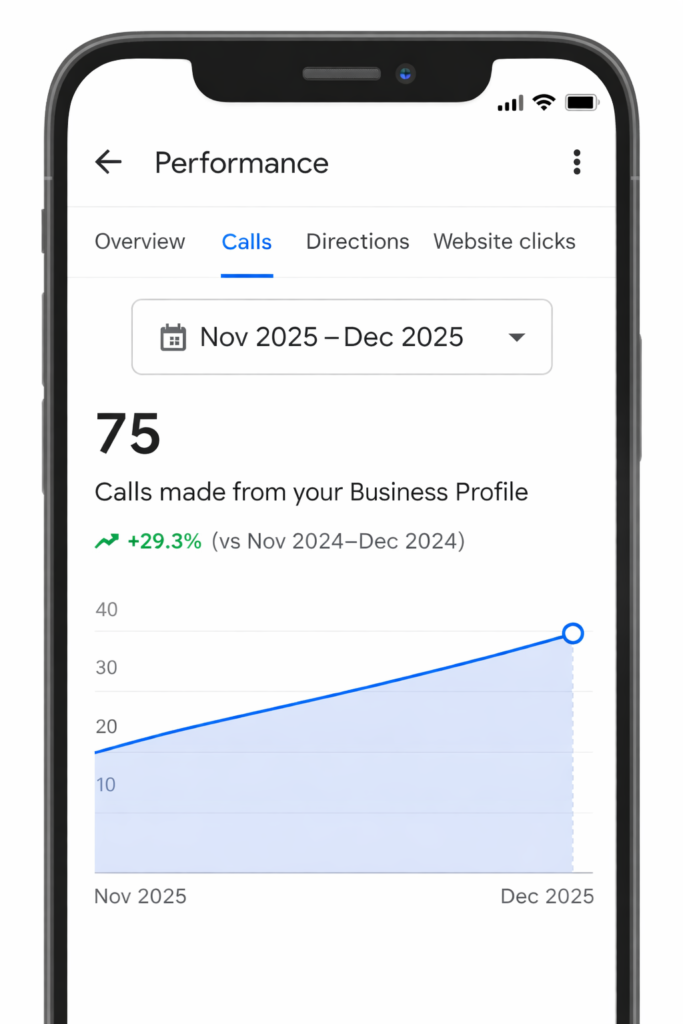
Virtual tour solutions offer significant SEO benefits by boosting user engagement metrics. Websites with interactive content experience lower bounce rates and longer visit durations. These factors are crucial for search engine ranking.
Additionally, virtual tours enhance content diversity, which search engines favor. Incorporating this media type can give businesses a competitive edge in organic search performance. It drives more traffic to the website, ultimately leading to increased visibility.
Key SEO advantages include:
- Improved engagement metrics
- Increased content diversity
- Enhanced search rankings
Social Media Integration and Reach
Virtual tours integrate seamlessly with social media, expanding reach and engagement. They can be shared across platforms, increasing brand exposure. The compelling nature of these tours encourages users to interact and share.
Through social media, virtual tours can target specific audiences, ensuring the content reaches the right viewers. This strategy maximizes the impact of marketing efforts and enhances brand recognition.
Key social media benefits include:
- Broadened audience reach
- Increased shares and interactions
- Targeted marketing opportunities
Industry Applications: Real Estate, Hospitality, Retail, and More
360 virtual tours find applications across various industries. They enhance experiences and improve business outcomes by providing immersive showcases.
In real estate, virtual tours allow potential buyers to explore properties remotely. Agents report quicker sales as buyers can view homes without physical visits. The depth and detail of these tours offer a realistic perspective.
The hospitality sector benefits from virtual tours by enabling guests to preview accommodations. Customers gain confidence in their bookings after exploring hotel rooms and amenities. This transparency can increase bookings and satisfaction.
Retailers use virtual tours to highlight products and store layouts. Shoppers appreciate seeing items up-close before visiting in person. This approach distinguishes businesses in a crowded marketplace.
Other sectors like education and tourism also adopt this technology. Virtual tours help schools recruit students and attract tourists by presenting destinations engagingly. Industries apply virtual solutions to enhance engagement and brand experience.
Real Estate: Faster Sales and Better Showcases
Virtual tours revolutionize real estate marketing. They display properties in an engaging and informative way, meeting buyers’ expectations. Agents see faster sales with virtual tours.
Potential buyers can navigate spaces as if present. Features are highlighted, offering a comprehensive understanding. This increased accessibility speeds up decision-making.
Key real estate benefits include:
- Expedited sales process
- Improved property presentations
- Elevated buyer satisfaction

Hospitality: Boosting Bookings and Guest Confidence
In hospitality, virtual tours build trust and entice guests. They provide a preview of rooms, amenities, and services. Transparency in offerings boosts guest confidence significantly.
Prospective clients can virtually visit rooms and facilities, reducing uncertainty. This visual clarity leads to higher conversion rates and repeat bookings.
Benefits in hospitality include:
- Enhanced guest assurance
- Increased reservation rates
- Strengthened customer relationships
Retail and Other Sectors: Standing Out in a Crowded Market
Retailers capitalize on virtual tours by showcasing products innovatively. Customers view product details, fostering informed choices. This approach helps brands stand out in competitive environments.
Beyond retail, sectors like education and tourism embrace virtual tours. Educators use them to attract students. Tourism boards leverage tours to showcase destinations compellingly.
Main advantages include:
- Distinct market presence
- Enriched customer experience
- Expanded reach across sectors
Future Trends: The Evolving World of Virtual Reality Tours
Virtual reality tours are evolving rapidly, transforming how businesses interact with their audience. Innovations are introducing features that make these experiences more engaging and accessible.
The future will likely see tours becoming more immersive and interactive. Continued development means expanded capabilities, enhancing both user experience and business potential.
Emerging trends include:
- AI integration for personalized experiences
- Enhanced VR headsets for realism
- Expanding multi-device accessibility
These trends promise exciting possibilities for various industries. Embracing such innovations can position businesses as pioneers in digital engagement.
Conclusion: Why 360 Virtual Tours Are Good for Businesses
360 virtual tours offer businesses a wealth of advantages. They enhance user engagement and create memorable customer experiences.
By embracing this technology, businesses can:
- Increase website traffic and dwell time
- Boost customer trust and satisfaction
- Improve sales conversion rates
Businesses that adopt virtual tours stand out in competitive markets. This innovative approach helps in building a strong brand image and fostering customer loyalty. Virtual tours are a dynamic tool for modern business success.
